Informational onlyPetCover Compass is not an insurer, broker or financial adviser. Policy terms, prices, waiting periods and availability change often and differ by pet, breed, age and location. Always read the insurer’s current policy wording / PDS and get a quote before buying.
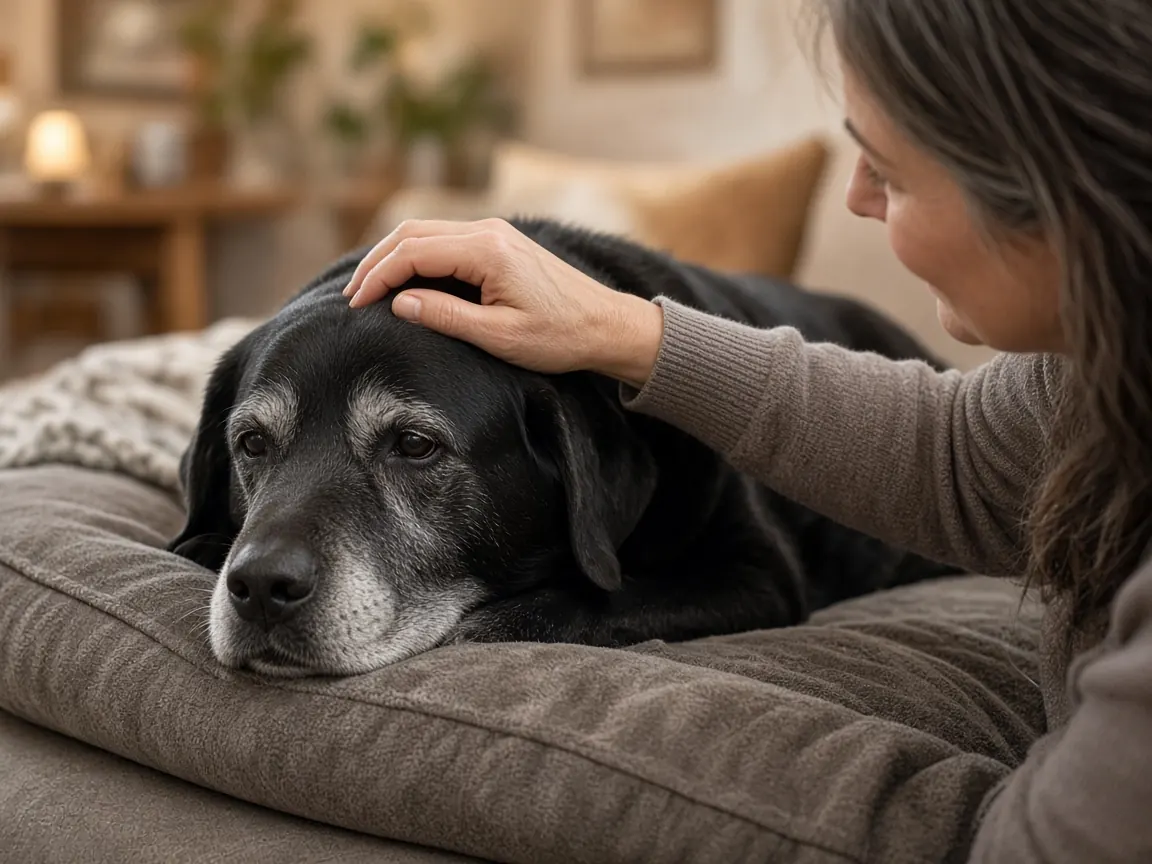
What changes when your pet gets older
- Higher premiums at each renewal as age increases.
- Co-payments may be added from a certain age on some policies.
- Pre-existing conditions are typically excluded on new policies, which matters more for older pets.
- Maximum entry ages apply with some insurers.
Tips for insuring a senior pet
- Keep an existing lifetime-style policy if you have one: switching can make ongoing conditions pre-existing.
- Compare accident-only cover if illness cover is unaffordable.
- Ask about dental, arthritis and cancer limits specifically.
- Budget for premium increases each year (see the premium trend chart).
FAQs
Can I insure an older dog or cat?
Many insurers accept older pets for new policies, but some set a maximum starting age, add co-payments or exclude pre-existing conditions. Check age limits before applying.
Why does insurance cost more for senior pets?
Older pets are more likely to need treatment for conditions such as arthritis, dental disease, kidney disease and cancer, so premiums usually rise with age.
What is a co-payment?
A fixed percentage of each claim you pay yourself. Some UK insurers add one for older pets (for example, 20% from a set age), on top of the excess.